YINGBA APPLICATION GUIDE
Choose the cutter around the material, finish and machining goal.
From clear acrylic and hardwood to laminated panels and 3D relief work, YINGBA helps buyers narrow the flute geometry before confirming the exact diameter, cutting length and operating parameters.
01 · Material
What is being cut?
02 · Cut direction
Upcut, downcut or compression?
03 · Finish
Edge quality, chip evacuation or detail?
04 · Machine
RPM, feed, power and workholding.
START WITH THE WORKPIECE
Material & Application Matrix
Router Bits by Material and Application
Match your workpiece material and machining goal to the right YINGBA carbide router bit family. The matrix below is a starting point — final geometry, coating and parameters are confirmed against your exact application.
| Material | Sign Making | Furniture & Cabinets | 3D Carving & Relief | Engraving & Detail | Panels & Through-Cuts |
|---|---|---|---|---|---|
| Acrylic & Plastics | Single-flute | — | — | Single-flute | — |
| Wood & Hardwood | — | Two-flute spiral | Tapered ball-nose | Tapered | — |
| MDF & Fibreboard | Two-flute spiral | Two-flute spiral | — | — | Two-flute spiral |
| Plywood & Laminated Panels | — | Two-flute spiral | — | — | Compression* |
| PVC & Foam Board | Single-flute | — | — | — | — |
| Aluminum & ACM | Single-flute | — | — | — | — |
| Stone & Glass | Diamond/stone* | — | — | Diamond/stone* | — |
| Composites (CFRP) | — | — | — | — | Single-flute |
* Compression and diamond/stone tooling are available from YINGBA — contact us with your application for specifications.
Material-by-Material Selection Guide
Acrylic & plastics
CNC Router Bits for Acrylic & Plastics
- LED sign and display fabrication
- Acrylic lettering and cut-outs
- Light diffuser and display channels
Recommended: single-flute router bits — big gullet clears melted chips, prevents edge rewelding.
Wood & hardwood
Router Bits for Wood & Hardwood
- Furniture and cabinet parts
- Solid wood profiling and edge work
- Laminated surface routing
Recommended: two-flute spiral router bits for finish quality, or tapered ball-nose for carved details.
MDF & fibreboard
Router Bits for MDF & Fibreboard
- Furniture panels and doors
- Sign making on MDF
- Cabinet carcass production
Recommended: two-flute spiral router bits — predictable material, run with a healthy chip load.
Plywood & laminated panels
Router Bits for Plywood & Laminated Panels
- Double-sided laminated panels
- Cabinet and kitchen panels
- Veneered sheet cutting
Recommended: compression router bits for tear-free top and bottom edges on through-cuts.
PVC & foam board
CNC Router Bits for PVC & Foam Board
- Advertising signs and letters
- Display board machining
- Exhibition panels
Recommended: single-flute router bits — clean chip evacuation in soft sheet materials.
Aluminum & ACM
Router Bits for Aluminum & Composite Panels
- Aluminium composite panel (ACM) signs
- Light aluminium machining
- Channel letter faces
Recommended: single-flute router bits with moderate speeds and a light chip load.
3D carving & relief
Router Bits for 3D Carving & Relief
- Relief carving and moulds
- Topographic and contour work
- Fine detail 3D finishing
Recommended: tapered ball-nose bits — stable geometry for long-reach detail work.
Stone & glass engraving
Diamond & Stone Engraving Tools
- Stone surface engraving
- Glass etching and marking
- Granite and ceramic work
Recommended: diamond and stone tooling — suitability confirmed per specification.
Not sure which geometry fits your material? Send your specifications to YINGBA for a technical review and quotation.
Four common application paths
Use these as a starting point. Final cutter selection should be confirmed against your material grade, machine and required finish.
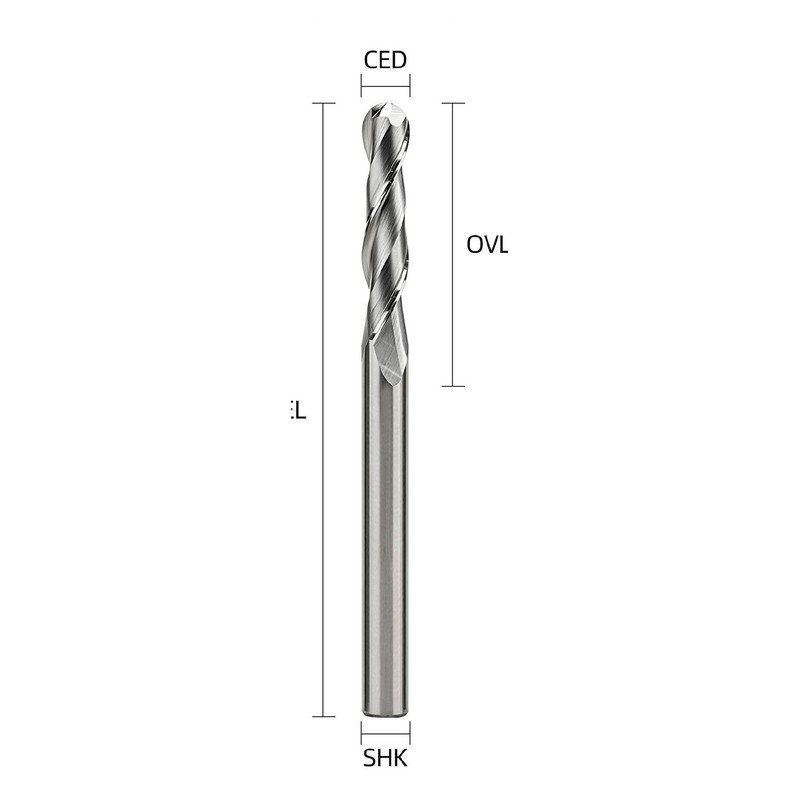
3D relief & contours
Create smooth transitions on reliefs, molds and curved surfaces.
APPLICATION 01
Acrylic, plastics & sign making
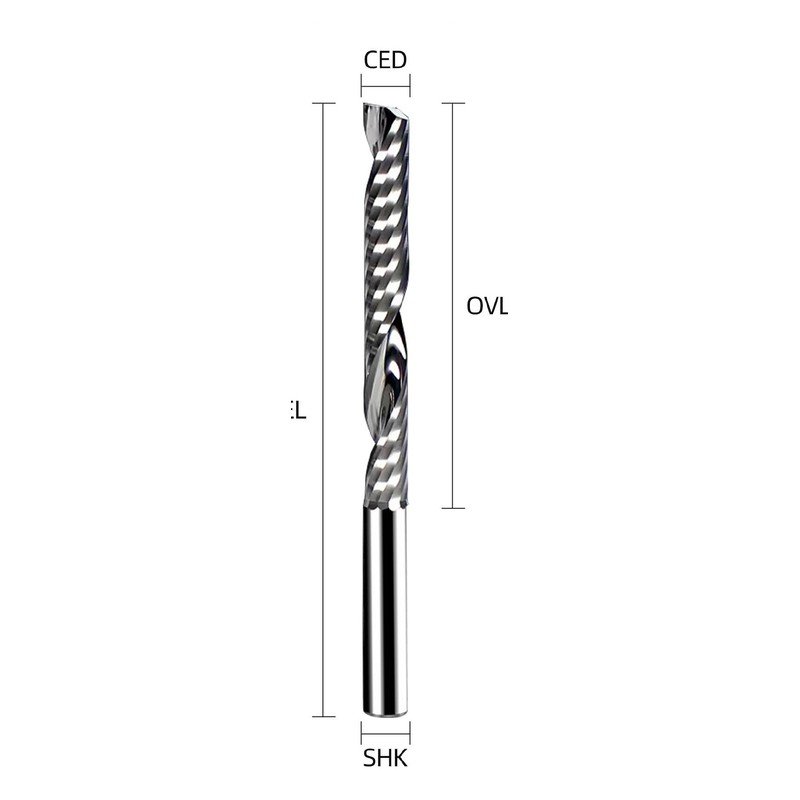
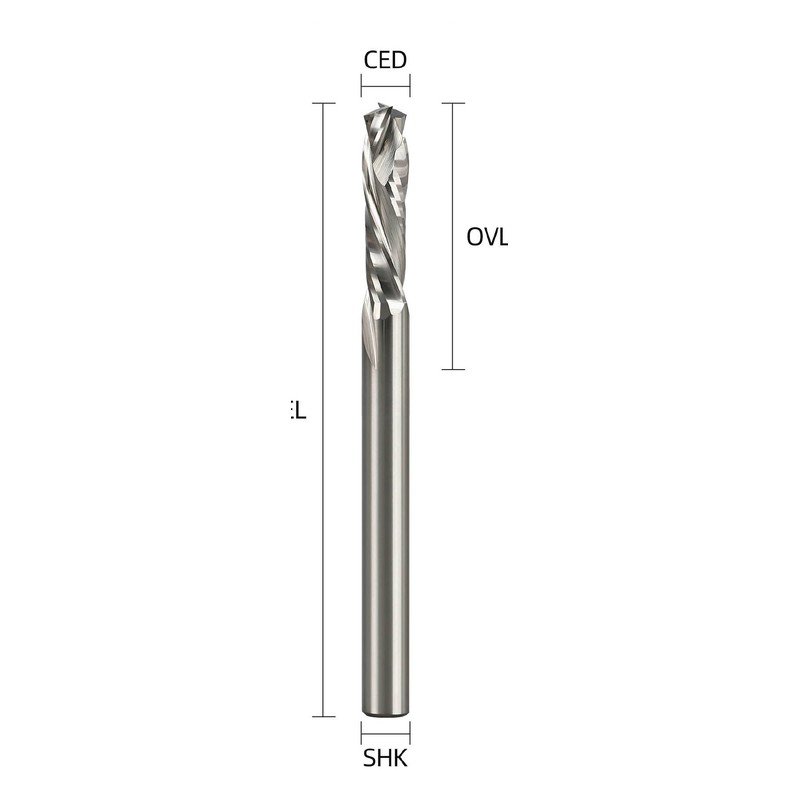
Single-flute geometry is a common starting point when evacuation space and heat control matter. The exact rake, cutting length and coating still depend on the plastic grade and machine setup.
- Typical work: signs, display parts, lettering and contour cutting
- Selection focus: chip evacuation, melting risk and edge clarity
- Confirm first: cast or extruded acrylic, sheet thickness and cooling method
APPLICATION 02
Wood, plywood & laminated panels
For furniture, cabinet and door production, flute direction changes which face receives the cleaner edge. Compression geometry can help protect both faces when the engagement and setup are suitable.
Typical work
- Solid wood routing
- MDF and particleboard
- Plywood and coated panels
Selection focus
- Top and bottom edge quality
- Cut direction and workholding
- Depth of cut and machine power
APPLICATIONS 03–04
Engraving, reliefs & curved surfaces
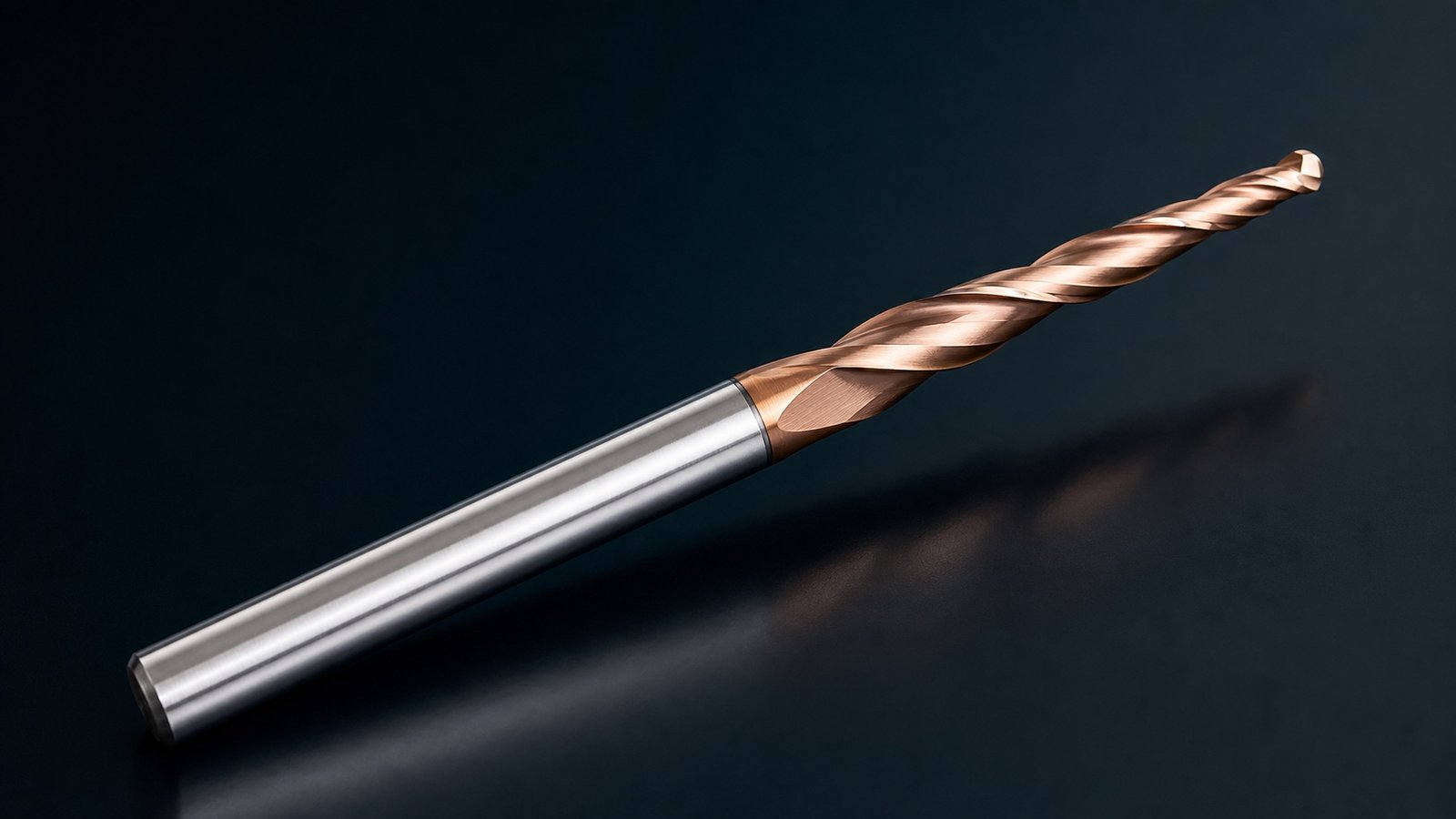
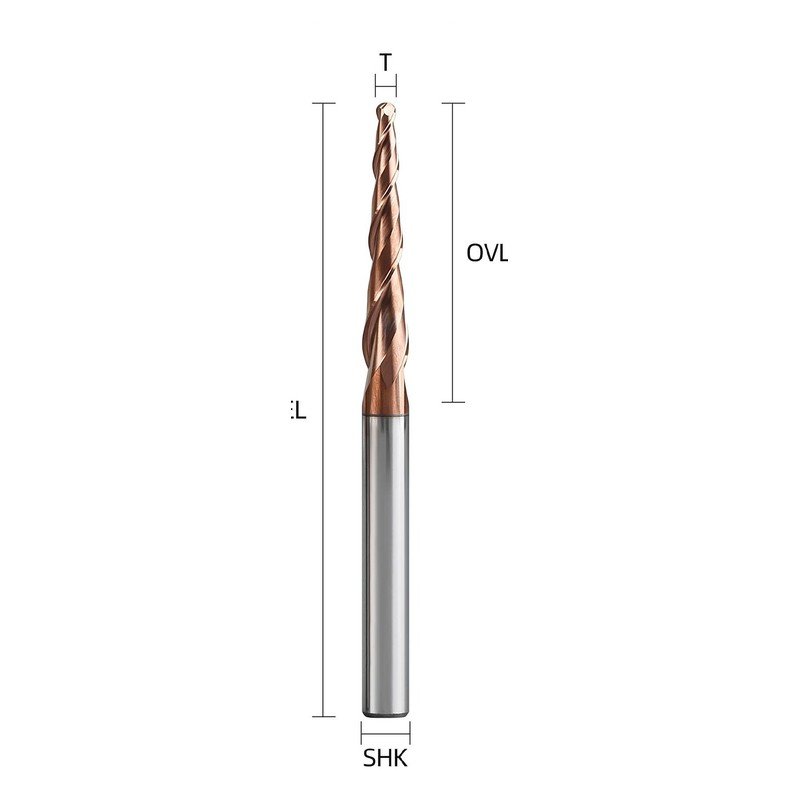
Tapered tools support reach and rigidity for detailed carving. Ball-nose geometry supports smooth transitions in 3D finishing. The required tip radius, taper angle and flute length must match the model and finishing allowance.
- Tapered: relief carving, fine details and deeper reach
- Ball nose: molds, contours and 3D finishing
- Confirm first: material, smallest detail, maximum depth and roughing allowance
QUICK SELECTION MATRIX
Match the machining goal before the model number
| Material / task | Common starting family | What to prioritize | Confirm before ordering |
|---|---|---|---|
| Acrylic and selected plastics | Single flute | Chip evacuation and heat control | Plastic grade, thickness, cooling |
| Solid wood and MDF | Single- or two-flute spiral | Cut direction and chip load | Grain, depth, machine power |
| Plywood and laminated panels | Downcut or compression | Top/bottom edge quality | Laminate, engagement, workholding |
| Fine relief and deep detail | Two-flute tapered | Tip size, reach and rigidity | Smallest detail and maximum depth |
| 3D contour finishing | Two-flute ball nose | Radius, step-over and surface finish | Material, allowance and toolpath |
SELECT WITH CONFIDENCE
Send the conditions that actually determine the cutter.
A material name alone is rarely enough. Supplying the following information helps us reduce incorrect recommendations and shorten the quotation process.
- Exact material and grade
- Workpiece thickness
- Machine type and spindle power
- RPM and expected feed rate
- Cutting depth and direction
- Required edge or surface finish
- Drawing, sample or tool photo
- Quantity and packaging needs
FROM APPLICATION TO PRODUCTION
Standard inventory and custom manufacturing support
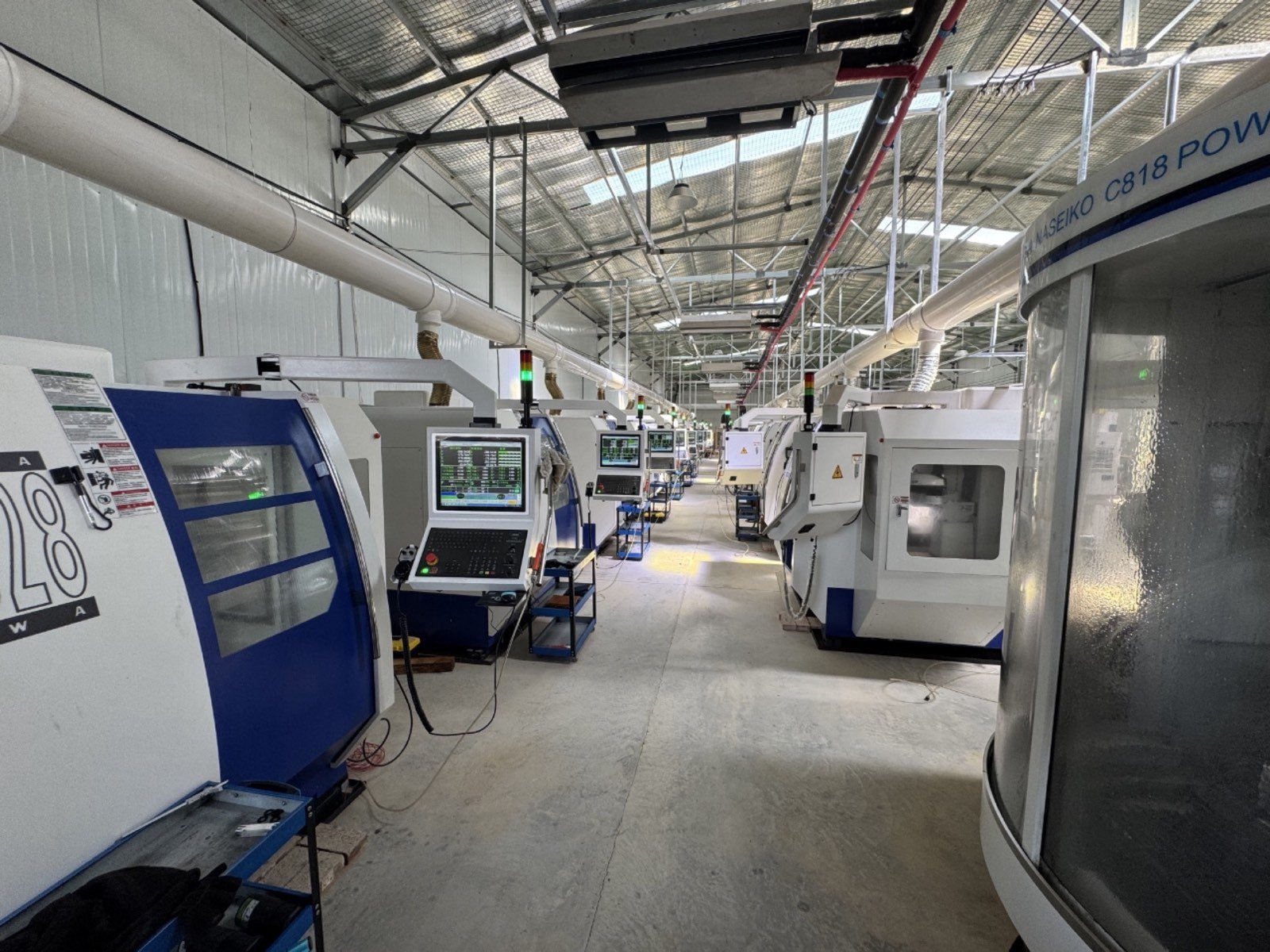
YINGBA supports standard models, drawing-based production, sample-based development, customer-supplied material and contract manufacturing. Our factory operates 18 high-precision five-axis grinders, four rod cut-off/step machines and four precision inspection instruments, with monthly capacity above 50,000 pieces.
Not sure which geometry fits your application?
Send the material, drawing, machine information and required finish. We will review the application before confirming the model and quotation.